13%of supply
Grants and milestone funding
A builder allocation of 1,300,000,000 PKL, released against milestones rather than promises.
Pickle is a real-time Ethereum Layer 2 built on one conviction: the value applications generate should concentrate in the chain's ecosystem, not disperse. Builders keep the majority of what they earn and can launch their own tokens; the ecosystem share flows on-chain to PKL.

01Real-time executionLive
A custom Rust sequencer executes your transaction the moment it arrives, in deterministic admission order, with a receipt before the block containing it is even sealed. Then Ethereum makes it final.
Head block-live
Mini-block-
The rings draw the scheduling targets. The block figures are live from this node's RPC.
01ApplicationsLive · testnet
Everything below runs against the same chain, the same state and the same account. Live on this testnet right now.
1 ETH + 50,000 PKL every 24h. Paste an address - no wallet connection required.
(opens in a new tab)L1 / L2Deposit ETH from the local L1 onto Pickle, or withdraw back.
(opens in a new tab)ToolsDeploy a token, NFT, collection or multisig. Look up transactions. Stake PKL.
(opens in a new tab)IdentityRegister a .pkl name. Fees are paid in ETH.
(opens in a new tab)RealtimeThe raw ~10 ms sequencer stream, over WebSocket.
(opens in a new tab)IndexBlocks, transactions, traces, transfers, accounts and tokens.
(opens in a new tab)02The problem, and the answer
Pickle routes the ecosystem's share on-chain, before anything else settles. Builders keep the majority of what they earn - and every token launched here still works for PKL.
Without the router100%leaves the ecosystem
With the router100%stays routed on-chain
The share is progressive, and the builder keeps the majority at every bracket.
03The value engine · PREL
A public, on-chain path from application revenue to permanent PKL supply reduction. The builder keeps the majority at every bracket. Liquidity providers are never touched.
Stage one · the builder's share comes off the top
Stage two · the ecosystem share dividespercentages of the ecosystem share, not of the take
The 40% is the top of a progressive schedule, not a flat rate: indicatively 10% on the first ~$100k of annual protocol take, 25% to ~$500k, 40% above. Liquidity-provider fees, creator royalties, service-provider payments and user principal are outside every revenue base, at every tier, permanently.
02For builders
Most application teams monetise by issuing a token to their users, because there is nothing else to monetise with. Pickle pays you in the revenue your product actually earns instead: cash from your first day, plus capital and distribution from an ecosystem that wants you to win.
90%
retained, in cash, from your first day of revenue
The share is progressive and it starts in your favour: indicatively 10% of protocol take on the first ~$100k a year, 25% to ~$500k, 40% above. You keep the majority at every bracket, and liquidity-provider fees, creator royalties, service-provider payments and user principal sit outside every revenue base, permanently.
13%of supply
A builder allocation of 1,300,000,000 PKL, released against milestones rather than promises.
8%of supply
800,000,000 PKL behind the pairs your users actually trade, so you are not bootstrapping depth alone.
Verifiedplacement
The verified mark, a place on this homepage and in the explorer, and campaign support behind launches.
Oneecosystem asset
Every application's ecosystem share flows to the same asset, which is what funds the grants, the liquidity and the distribution above.
Launch your own token as well, at any tier. That was policy decision one, and it has not moved.
04PKL supply and float
The buyback reduces total supply, verifiably on-chain. Both lines, on one chart.
Total supply · modelled9.29B
Circulating float · published7.61B
What the burn does. It lowers total supply - totalSupply() decreases, verifiably on-chain.
04Tokenomics
A fixed supply, with no mint function and no admin key. Colour is the group a share is paid to, and the ring is drawn group by group, so each group's total is one arc of it.
10.5%
Liquid on day one, and none of it insider
10%
Private round. Nothing liquid at launch. Twelve month cliff, then twenty-four months linear.
5%
Community round. Half liquid at launch, the rest over six months.
Burning is holder-only and lowers total supply, not circulating supply: through the release years unlocks add more PKL than the buyback retires, so cumulative burn is always published beside the float it does not offset. Gas is paid in ETH, and stakers are paid in ETH rather than in newly issued tokens. Nothing here is a price promise.
03ABX community migration
6%
600,000,000 PKL for the ABX community
Two parts. 4% direct, 400,000,000 PKL to verified historical AlphBanX holders, 25% liquid at claim and 75% vesting linearly over 12 months. Plus a 2% loyalty pool, 200,000,000 PKL, earned by claimants who lock for 12 months or more or claim straight into the ETH fee share. Loyalty pays more than exit, by construction.
The ratio is an output, not an input: 400,000,000 ÷ eligible ABX at snapshot. Eligibility excludes team, investor, treasury and protocol-contract balances, classified by address at the snapshot block. This is a discretionary allocation recognising an existing community. It is not compensation, restitution or recovery, and it does not restore any prior market value. Pickle Chain is a separate project on separate infrastructure.
05Roadmap
No date is attached to any phase, because one we could not defend would be the first false statement here. The line is coloured only where the work exists: one phase of five is running, one is being built, three are drawings.
Carries the three hard launch gates
Three items are hard launch gates and the chain does not reach mainnet without them: a single canonical PKL deployment, settlement batch aggregation, and cost-first net fee accounting. Pickle does not describe itself as decentralised.
07 / From the community
Pickle did not start with a whitepaper. It started with a community that decided to build something rather than disperse.
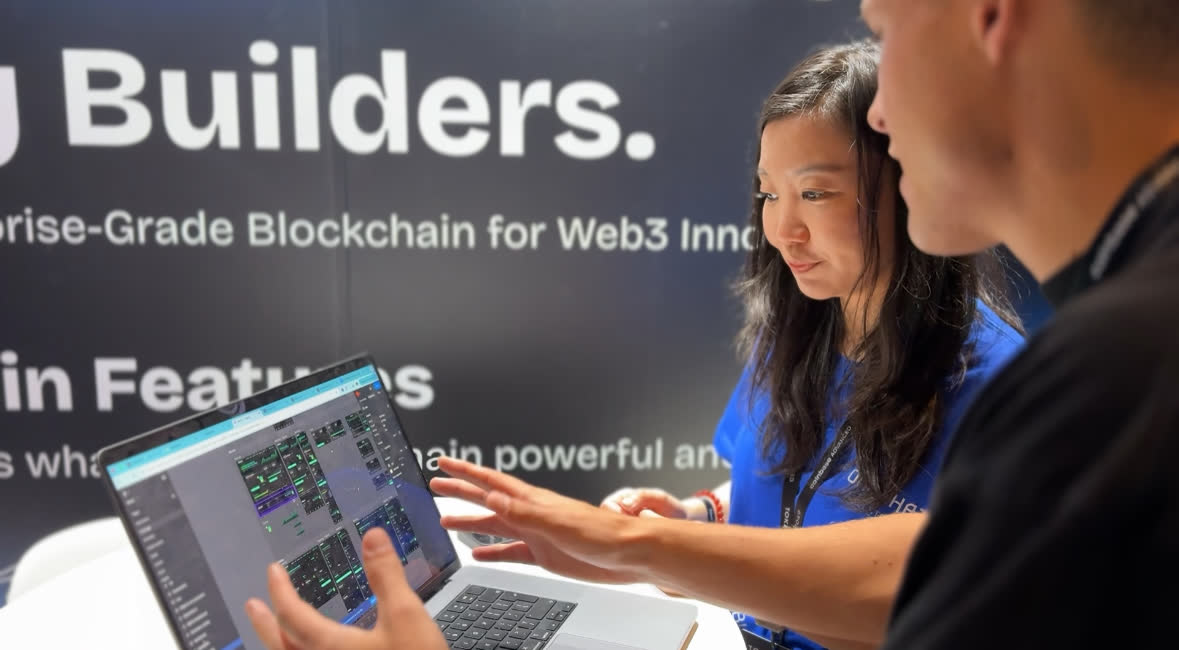
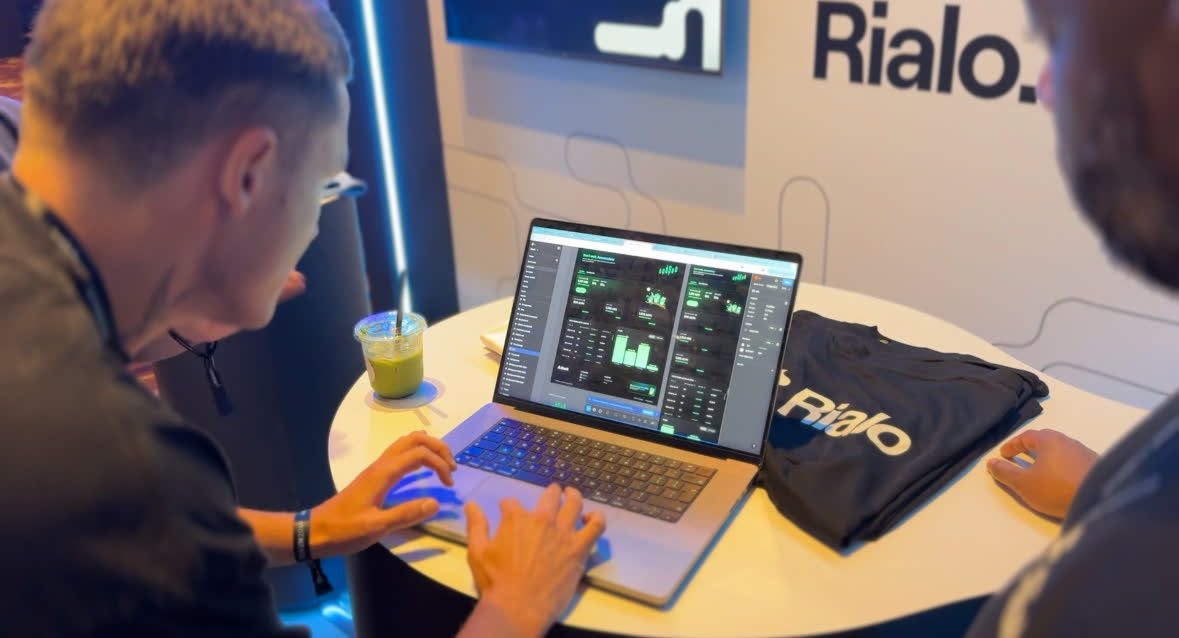
Run a node, deploy a contract, claim a name, or bring your application to a chain that pays you in revenue instead of asking you to sell a token.